
D1-nb

What is humpback salmon?
The humpback salmon, also called Pacific salmon, is an alien species in Norway. It was introduced in Russia as a food resource, but has appeared in Norwegian rivers since the 1950s.
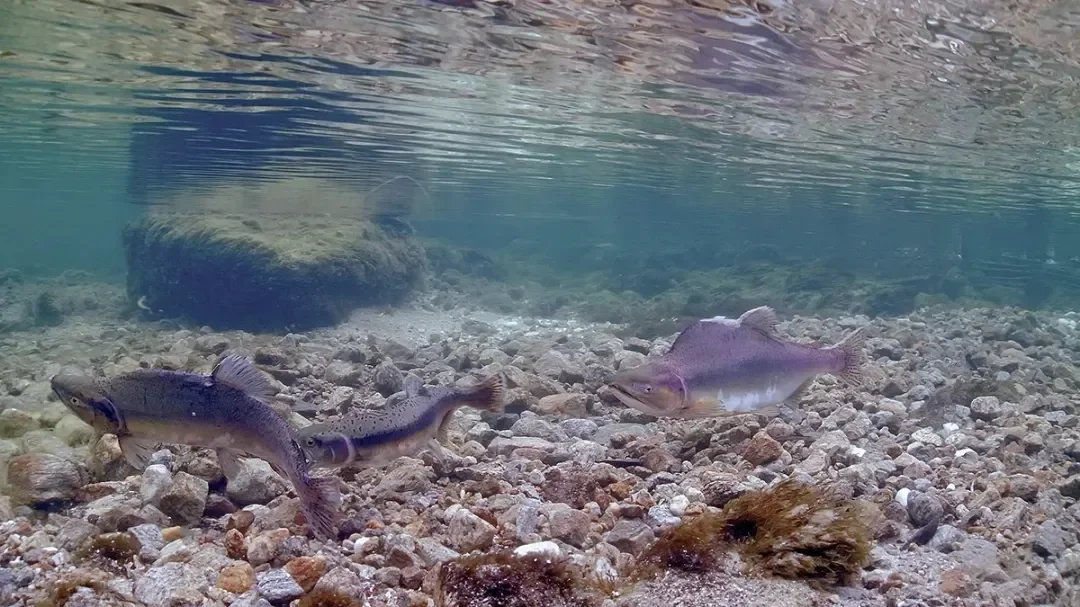
Although humpback salmon are salmonids, they are distinctly different from the Atlantic salmon that naturally inhabits this area. Males develop a prominent hump on their backs and an elongated jaw during spawning.
The humpback salmon has a two-year life cycle: The fry hatch in the river, swim quickly out to sea, return to spawn after two years – and then die.
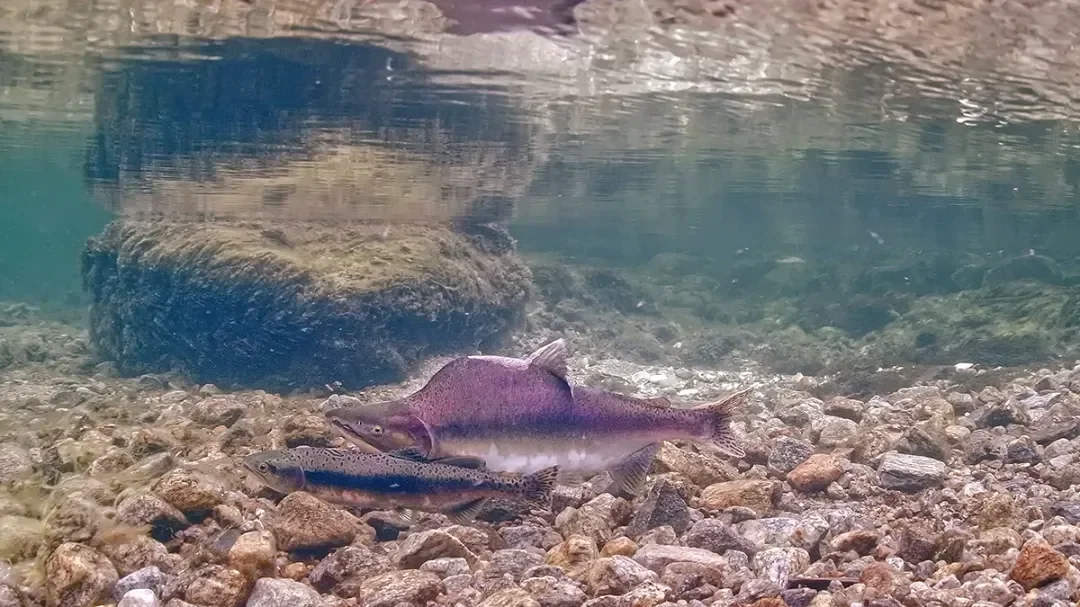
Why is it undesirable?
The humpback salmon is an invasive species and undesirable in Norwegian nature because it poses a high environmental risk in rivers. It competes with native species for both space and food, and can displace wild salmon and sea trout in waterways where habitat is already limited.
Large numbers of humpback salmon also increase the risk of spreading parasites and diseases. During spawning, they dig deep pits that can destroy important spawning areas for other fish species. When humpback salmon die after spawning, large amounts of decaying fish can degrade water quality and affect life on the riverbed.
How do we combat it?
The control of humpback salmon in Norway is carried out through a combination of measures to prevent its spread and reduce the populations in the rivers.
Traps. Traps, fish traps and guardrails are set in selected rivers to stop humpback salmon before they reach spawning grounds. The traps make it possible to sort out humpback salmon, while allowing native species to pass through.
Targeted fishing. Organized fishing operations, often in conjunction with
Work between local fishing associations, volunteers and the management team helps to catch large quantities of humpback salmon before spawning. Both net fishing and pole fishing are used where permitted.
Monitoring and mapping. Scientists and management keep track of when and where humpback salmon appear, and how large the populations are. Increased knowledge makes it possible to plan and improve measures from year to year.
